Minister of Agriculture, Irrigation and Water Development Roza Mbilizi said on Tuesday Water, Sanitation and Hygiene (Wash) budget cuts have dampened Malawi’s prospects of achieving universal access to safely managed water by 2030.
The minister told the 2026 Wash Joint Sector Review in Lilongwe that the sector’s allocation has declined from 3.35 percent to 1.97 percent of the national budget, placing significant pressure on service delivery.
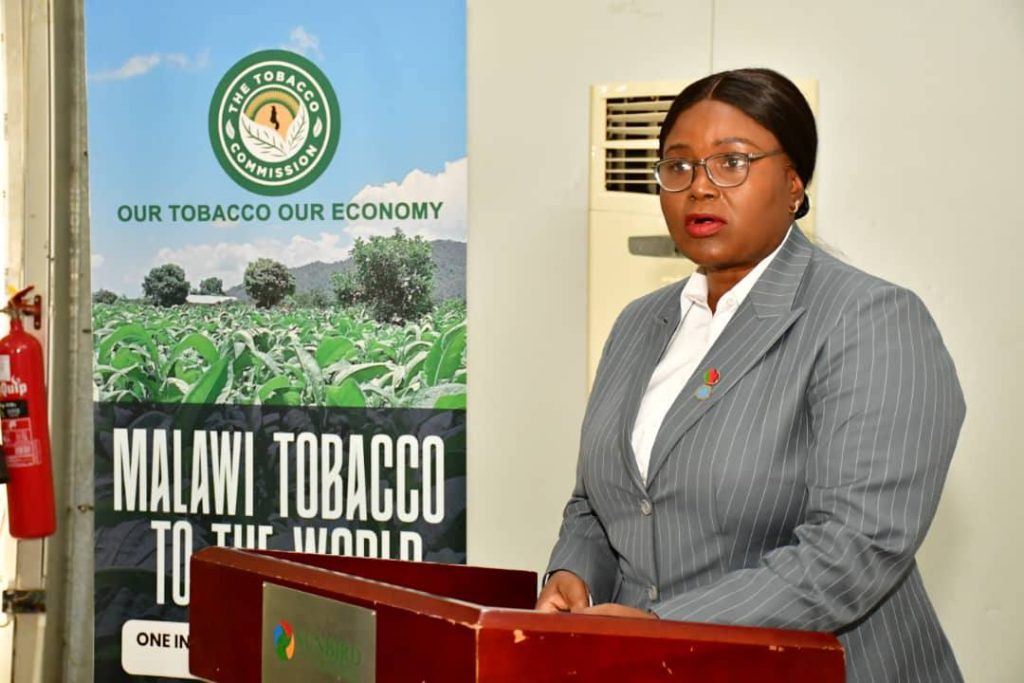
“Access to safe water, sanitation and hygiene is not a luxury. It is a fundamental human right and a critical determinant of public health, economic productivity and human dignity,” said Mbilizi.
The minister cited findings from the 2024 Demographic and Health Survey showing that while 89 percent of Malawians have access to improved water sources, only 73 percent have access to basic drinking water services, meaning nearly one-third of the population cannot collect safe water within a 30-minute round trip.
She said only 18.7 percent of the population has access to drinking water that is available when needed and free from contamination, while access to basic sanitation stands at 40 percent.
“These statistics underscore persistent, deep-seated gaps in service quality, reliability, accessibility and safety across our nation,” said Mbilizi.
She also said in health facilities, sector data shows that 96 percent lack basic sanitation services, 73 percent have no hygiene services and 24 percent do not have access to a basic water supply.
To improve access, Mbilizi said government is shifting its policy towards expanding reticulated water systems into rural areas to bring water closer to communities.
Representing development partners, Unicef country representative Penelope Campbell commended government for approving the Presidential Commitment on Wash and issuing Executive Order No. 2, which mandates sanitation and hygiene facilities in public places, workplaces and schools.
“Safe water, sanitation and hygiene are not simply basic services. They are foundations for life, health, learning, productivity, dignity and resilience,” she said.
Development partners have previously expressed concern over the sector’s heavy reliance on donor funding.
In 2025, then Unicef country representative Johannes Wedenig said 85 percent of Wash financing came from external sources, warning that Malawi needed to strengthen domestic financing to improve the sector’s resilience.
Malawi requires an estimated $238 million (about K416 billion) annually to achieve universal access to safe water by 2030, but less than $100 million is currently available each year.
The annual Wash Joint Sector Review brings together government, development partners, civil society organisations and district councils to assess the sector’s performance and identify priorities for improving water, sanitation and hygiene services.